

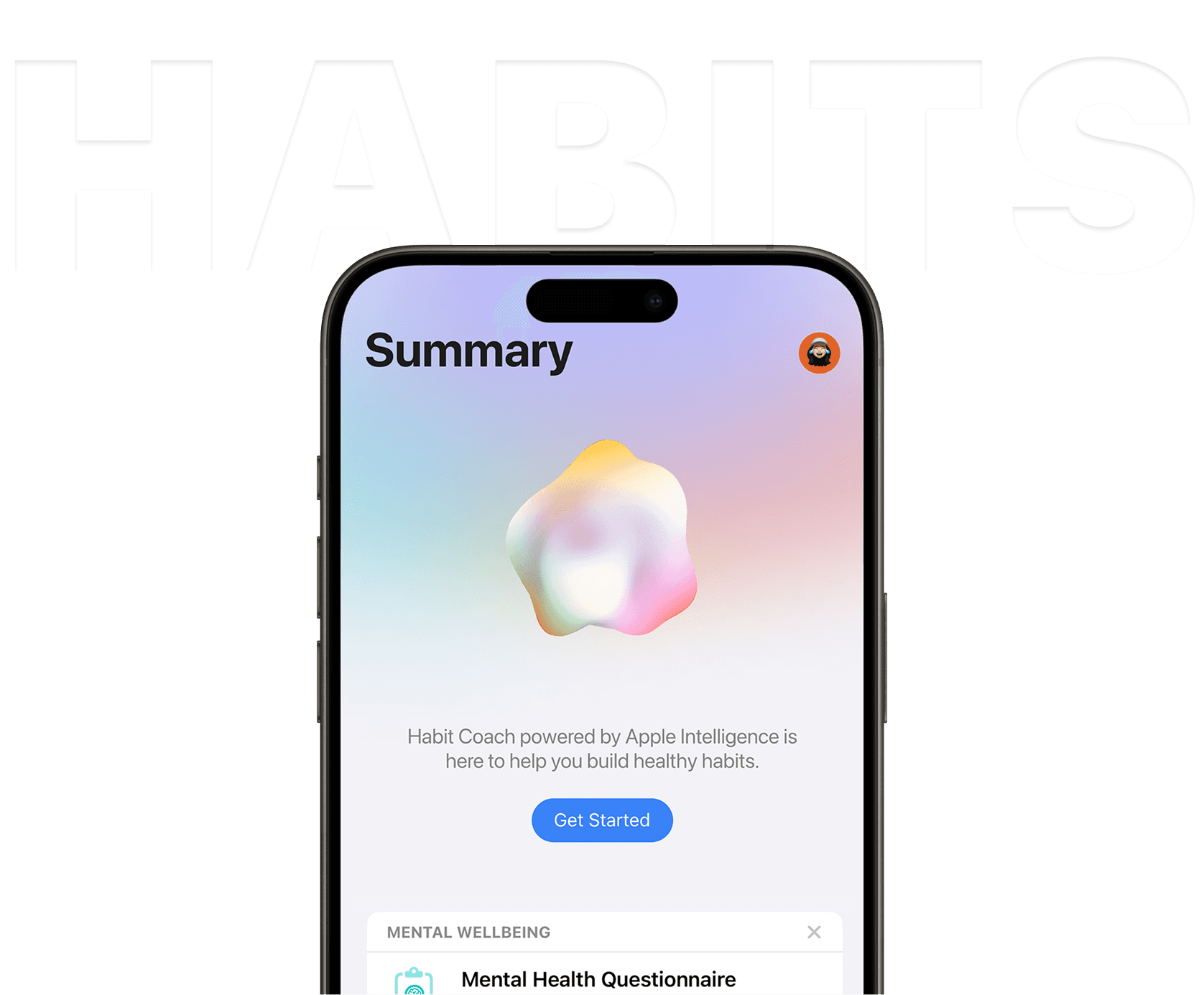
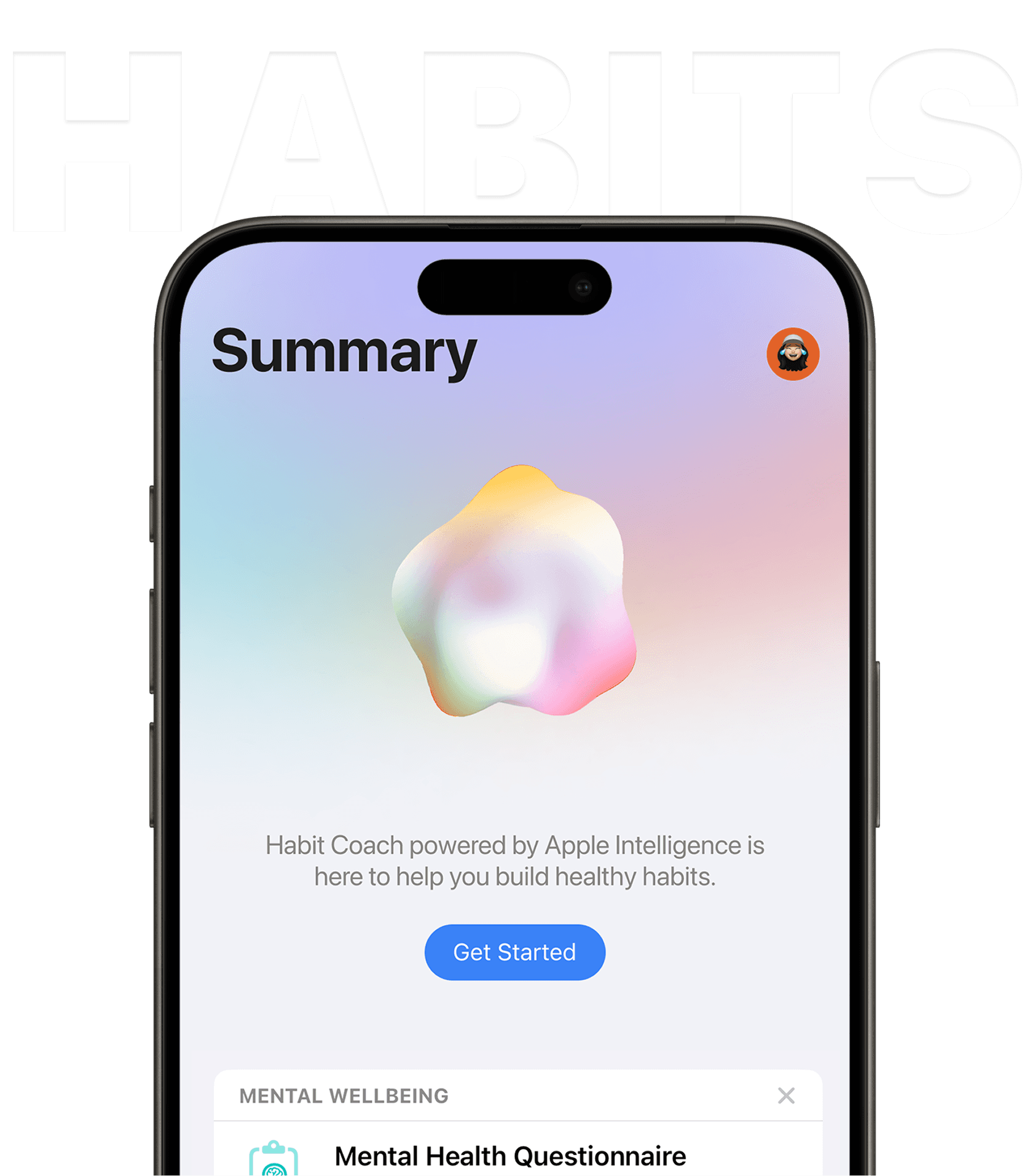
Habits is a thesis project presenting a digital experience that integrates seamlessly with Apple Health™ and applies evidence‑based psychology and behavior change research. An AI Habit Coach converts real‑time health data into personalized prompts and clear actions, motivating users to build and sustain healthy routines.
Habits is a thesis project presenting a digital experience that integrates seamlessly with Apple Health™ and applies evidence‑based psychology and behavior change research. An AI Habit Coach converts real‑time health data into personalized prompts and clear actions, motivating users to build and sustain healthy routines.
Role
Role
Role
UX Researcher & Designer
Role
UX Researcher & Designer
Tasks
Tasks
Tasks
Secondary research, thematic synthesis, proto-persona creation, future-state journey map, lo-fi wireframe, 3D animation, Hi-fi prototype
Tasks
Secondary research, thematic synthesis, proto-persona creation, future-state journey map, lo-fi wireframe, 3D animation, Hi-fi prototype
Year
Year
Year
Sep 2024 - Apr 2025
Year
Sep 2024 - Apr 2025
Get the highlights.
Get the highlights.
Get the highlights.
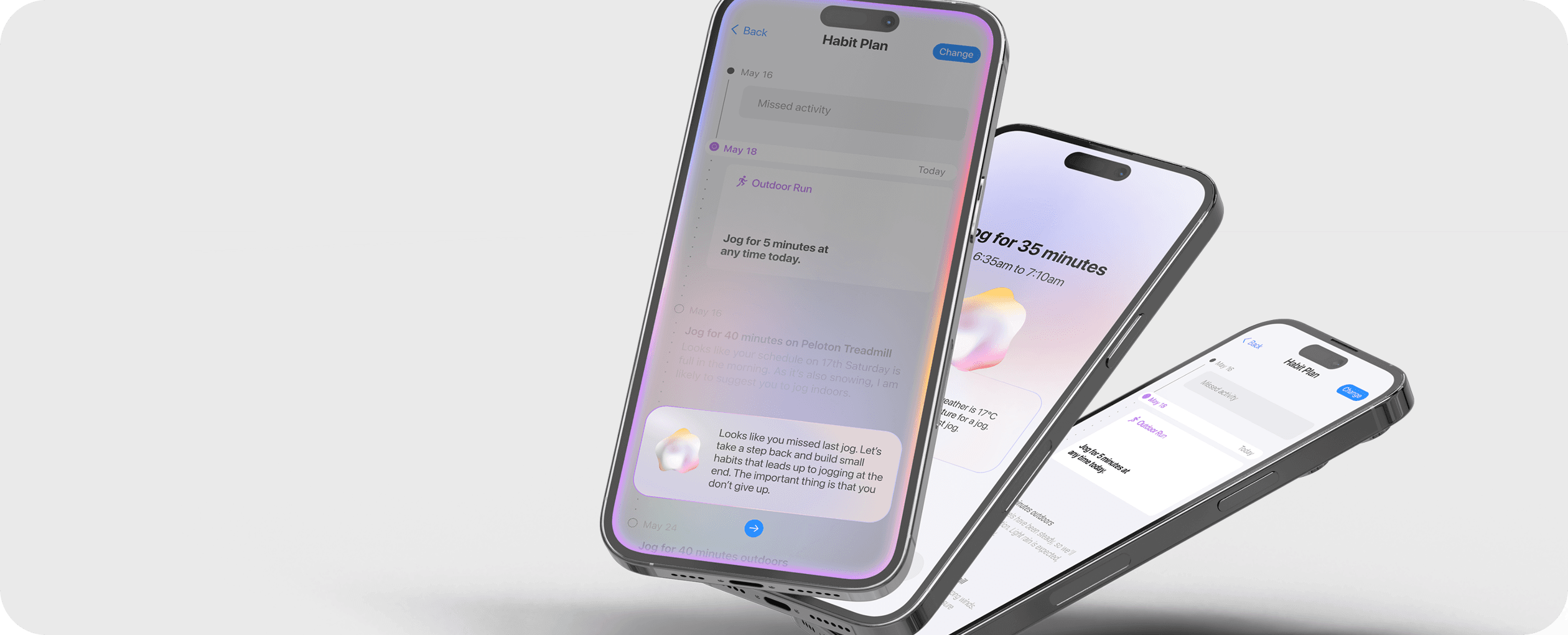
AI Hyper-personalization that truly understands you
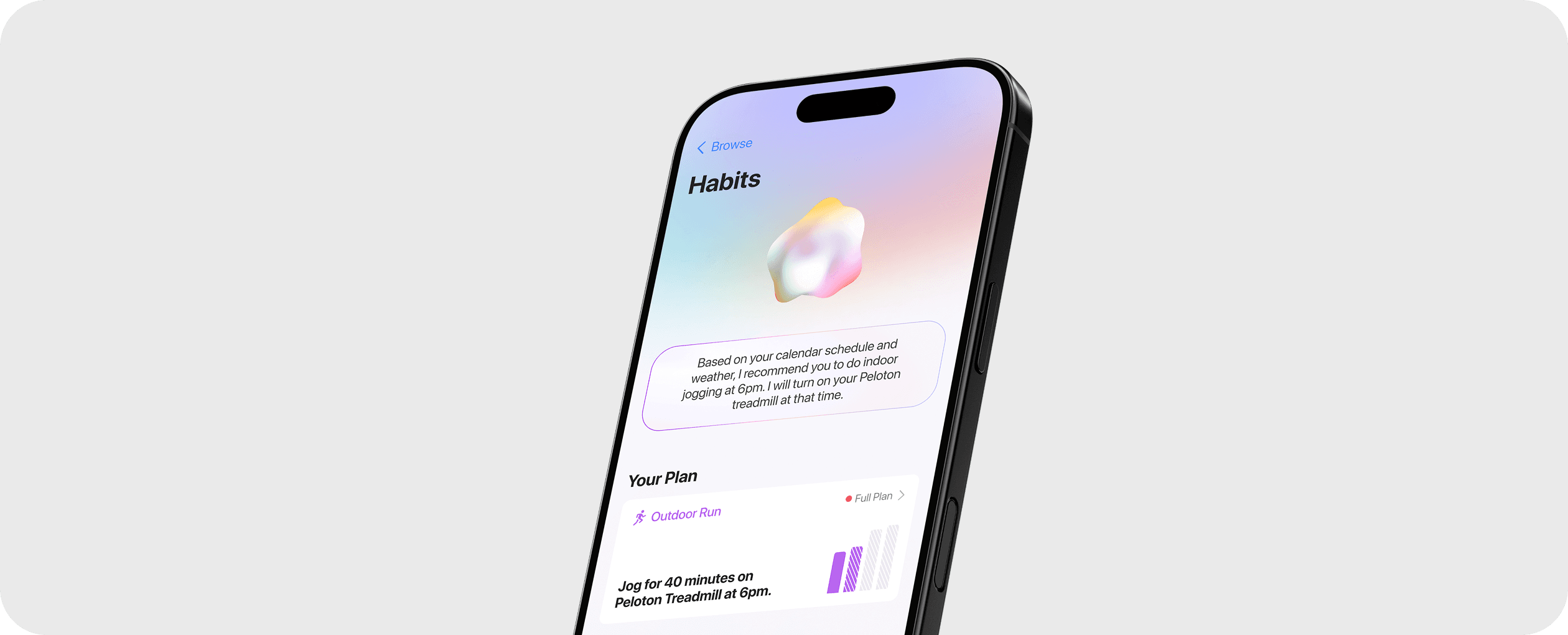
Habit plan that fits and adapts to your lifestyle.
Habit plan that fits and adapts to your lifestyle.
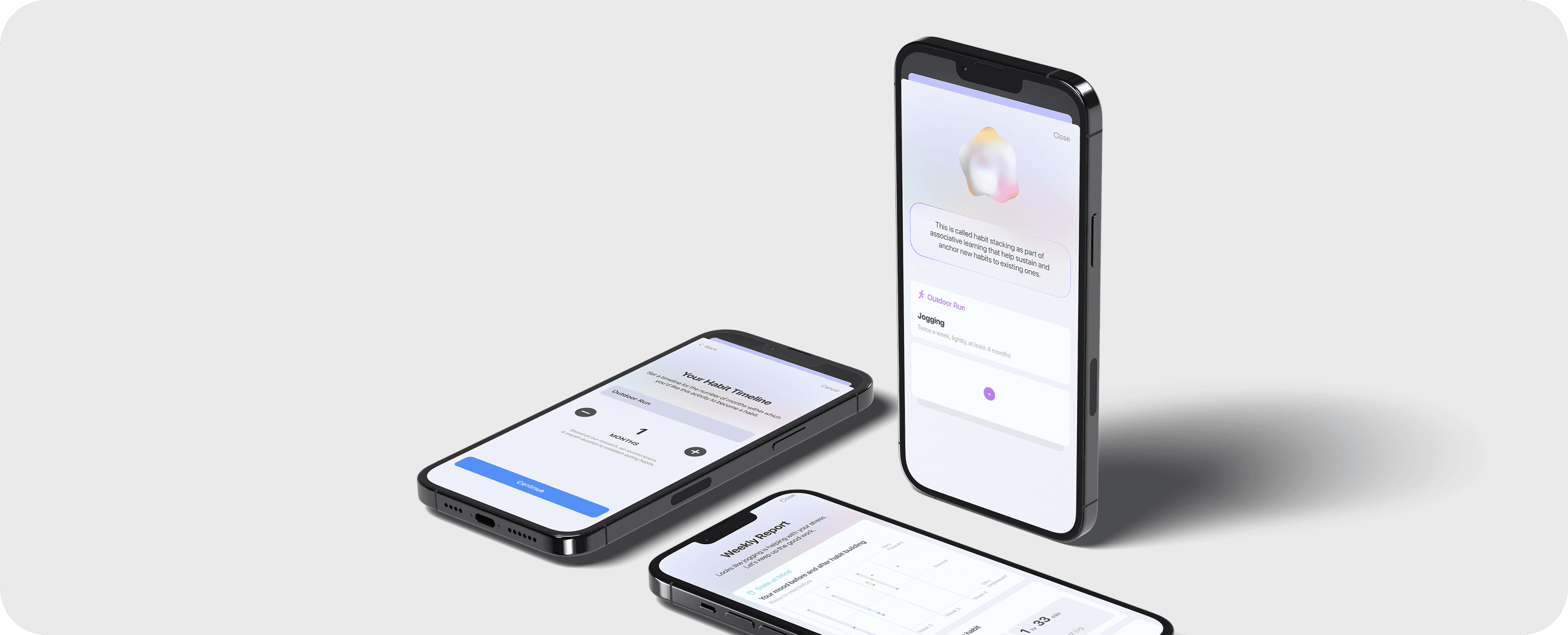
Make it into a Routine,
in a smart way.
Make it into a Routine,
in a smart way.
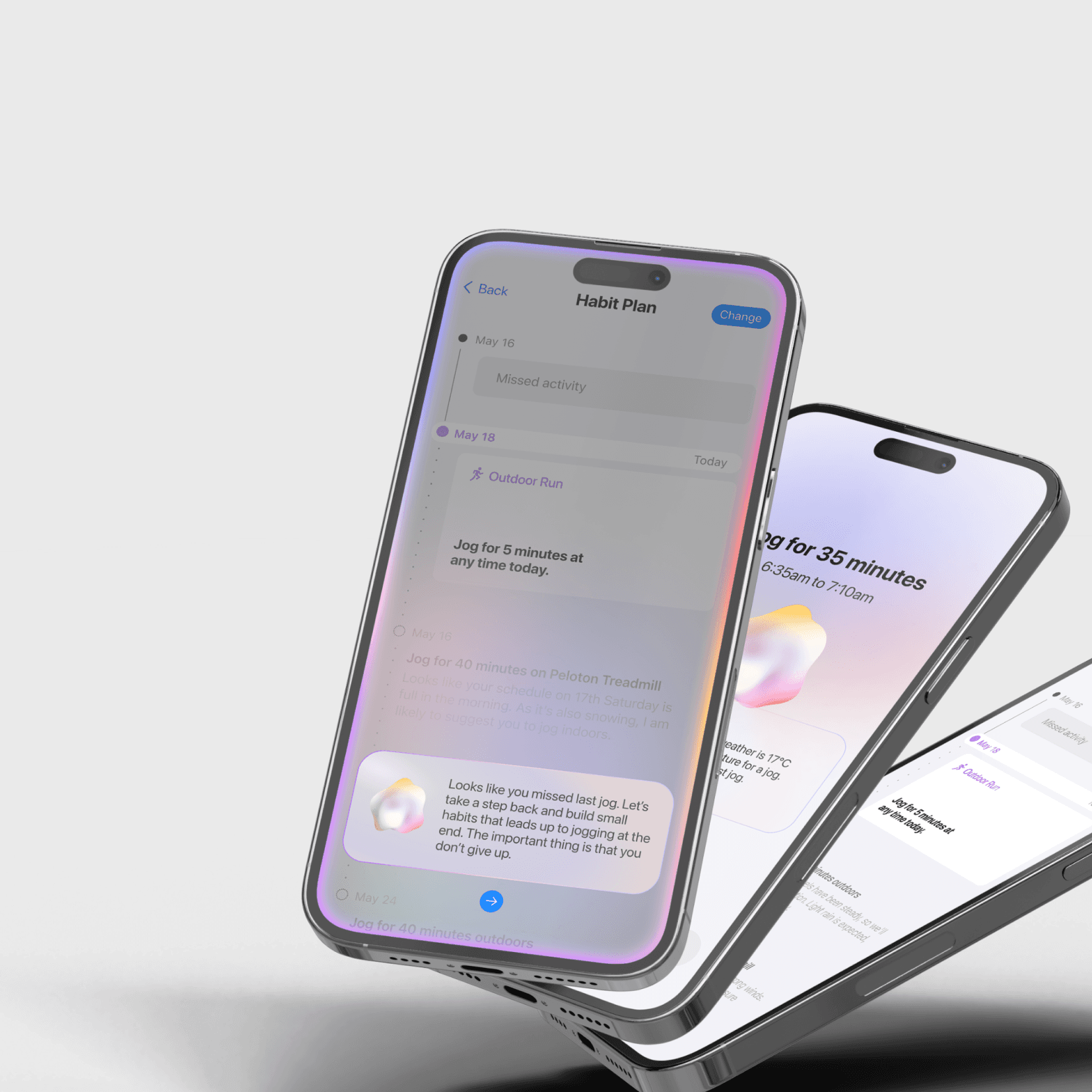
AI Hyper-personalization that truly understands you
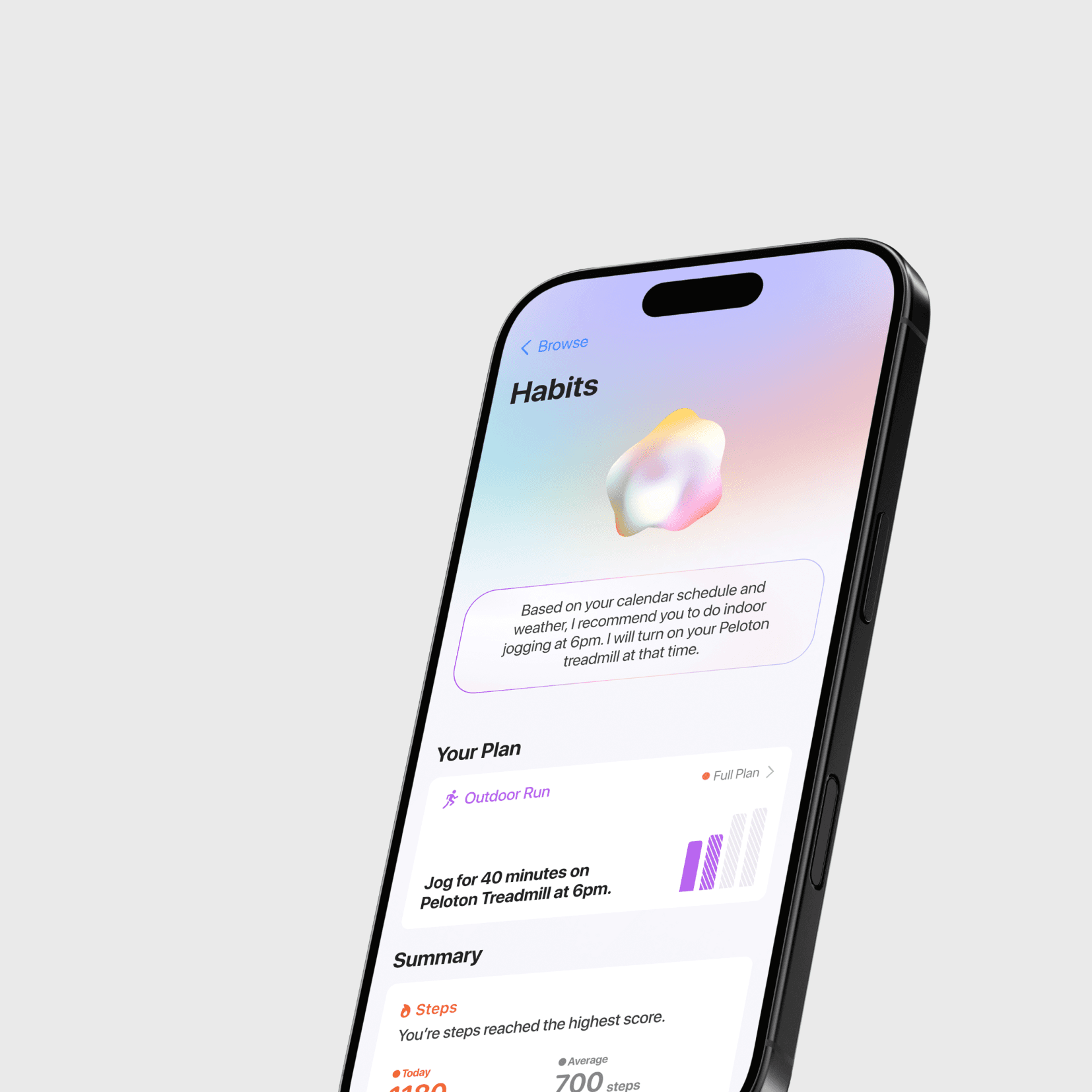
Habit plan that fits and adapts to your lifestyle.
Habit plan that fits and adapts to your lifestyle.
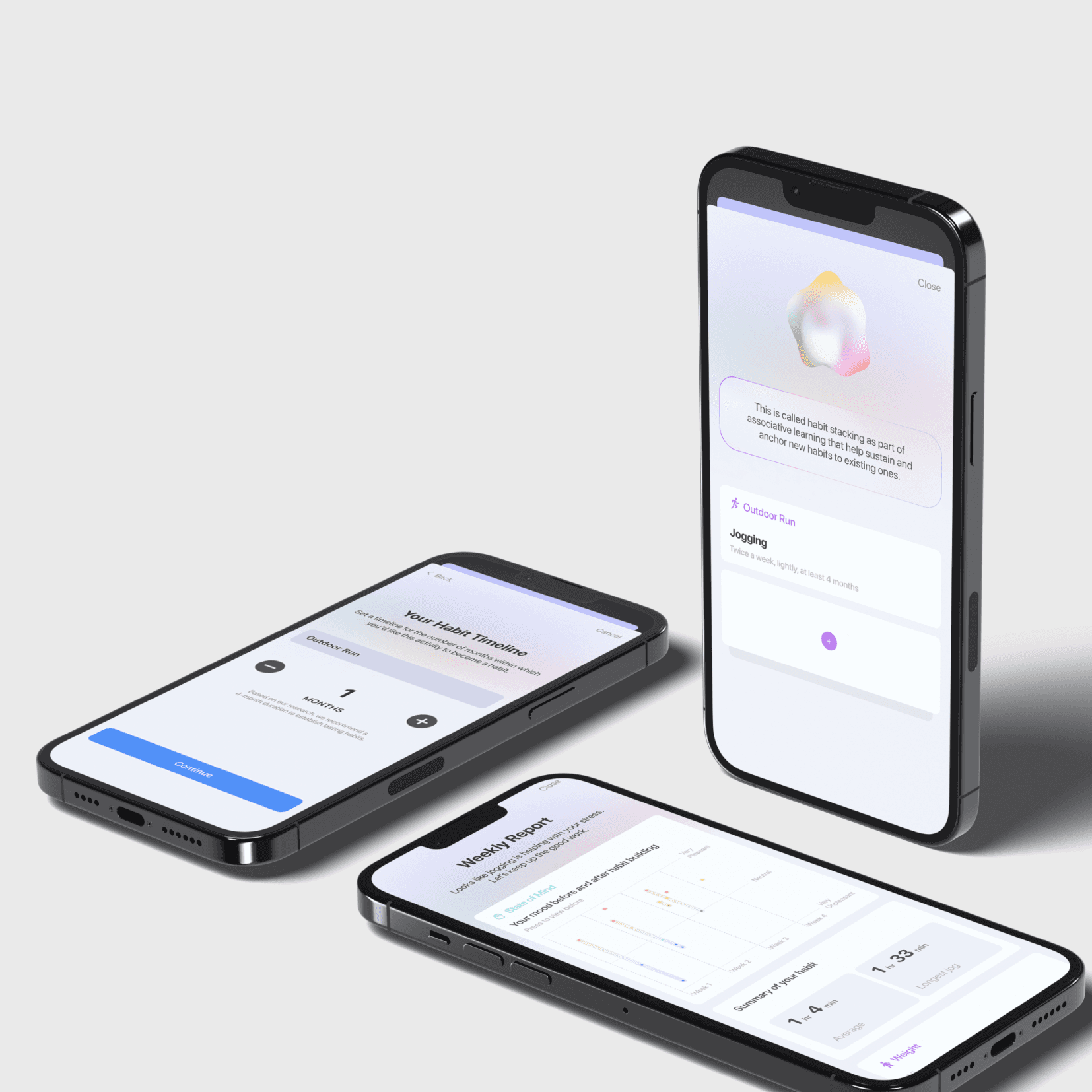
Make it into a Routine,
in a smart way.
Make it into a Routine,
in a smart way.
AI Hyper-personalization that truly understands you
Habit plan that fits and adapts to your lifestyle.
Habit plan that fits and adapts to your lifestyle.
Make it into a Routine,
in a smart way.
Make it into a Routine,
in a smart way.
AI Hyper-personalization that truly understands you
Habit plan that fits and adapts to your lifestyle.
Habit plan that fits and adapts to your lifestyle.
Make it into a Routine,
in a smart way.
Make it into a Routine,
in a smart way.
Habits that will last.
Habits that will last.
Habits that will last.
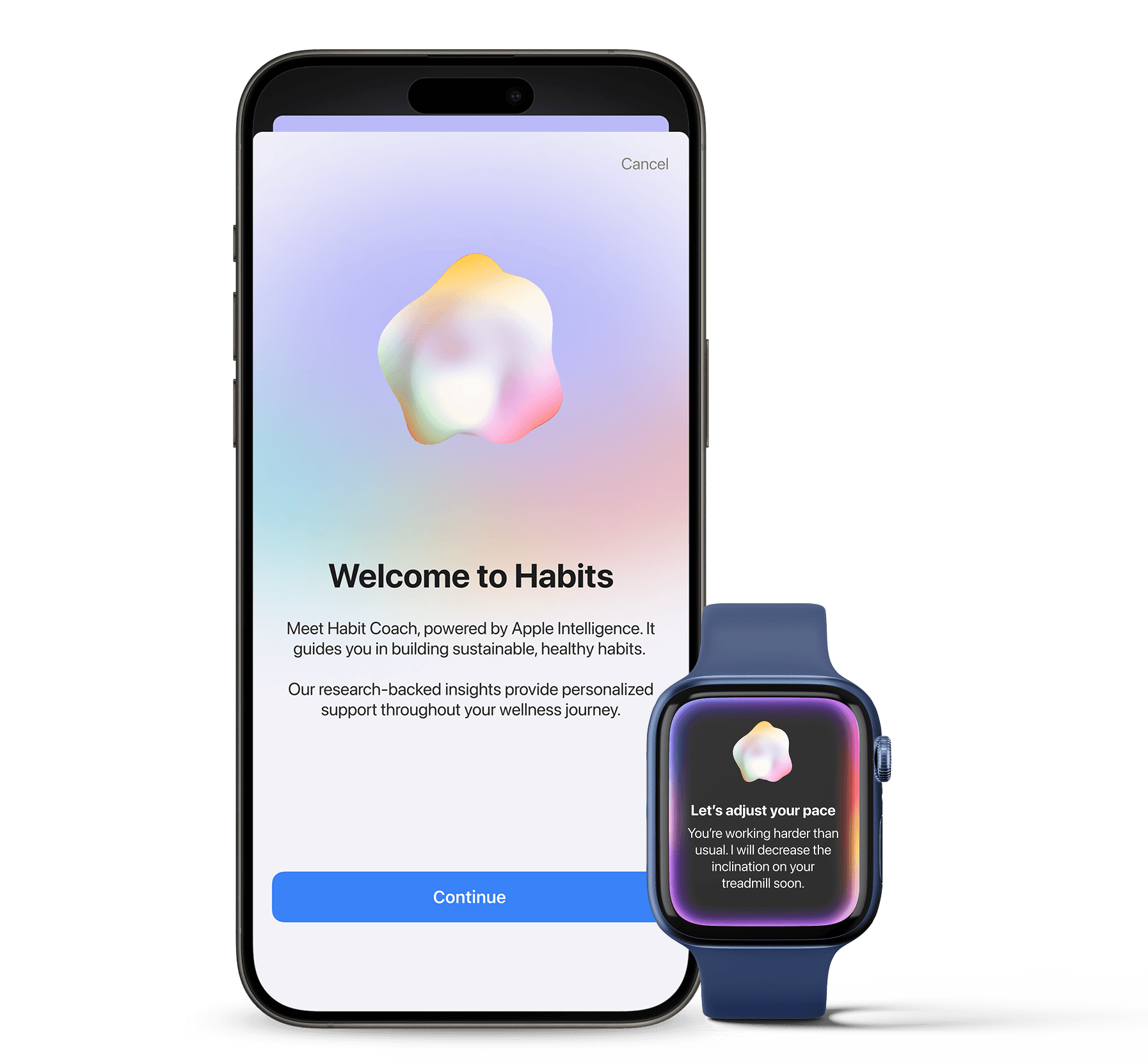
Timely reminders drive action.
Timely reminders drive action.
Timely reminders drive action.
Combined with body cues, contextual awareness, and habit linking, they form the Habitual System. This intelligent foundation enables our AI Habit Coach to deliver the right nudge at the right time.
Combined with body cues, contextual awareness, and habit linking, they form the Habitual System. This intelligent foundation enables our AI Habit Coach to deliver the right nudge at the right time.
Combined with body cues, contextual awareness, and habit linking, they form the Habitual System. This intelligent foundation enables our AI Habit Coach to deliver the right nudge at the right time.
Context-aware Nudges²
Context-aware Nudges²
Context-aware Nudges²
Context-aware Nudges²
Your environment holds hidden clues.
By understanding context like time, location, or routine, we can predict behavior patterns and nudge users when it matters most.
Physiological Cues²
Physiological Cues²
Physiological Cues²
Physiological Cues²
Our bodies speak before we act. By detecting physiological signals like heart rate or motion, we can gently prompt users at the right moment when their body is most receptive to change.
Associative Learning³
Associative Learning³
Associative Learning³
Associative Learning³
People form habits faster when one action leads to another. Grounded in behavioural science, this approach links new behaviours to existing ones that makes change feel natural and automatic.
Less tracking, more doing.
Less tracking, more doing.
Less tracking, more doing.

Apple Health
Apple Health
Data-driven habit guidance right when you need it.
Data-driven habit guidance right when you need it.
See Data Flow Map
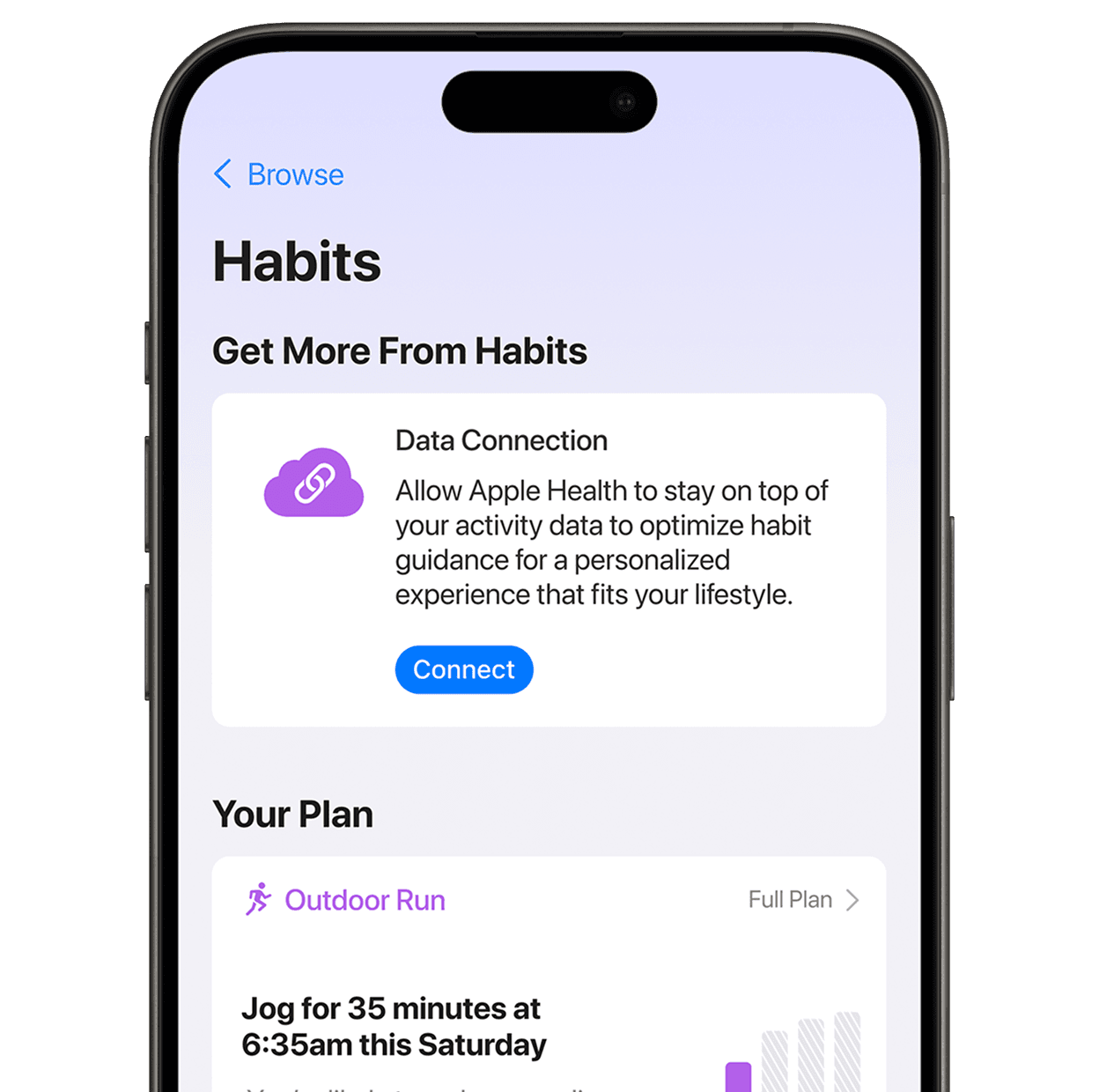
Positive Affirmation
Positive Affirmation
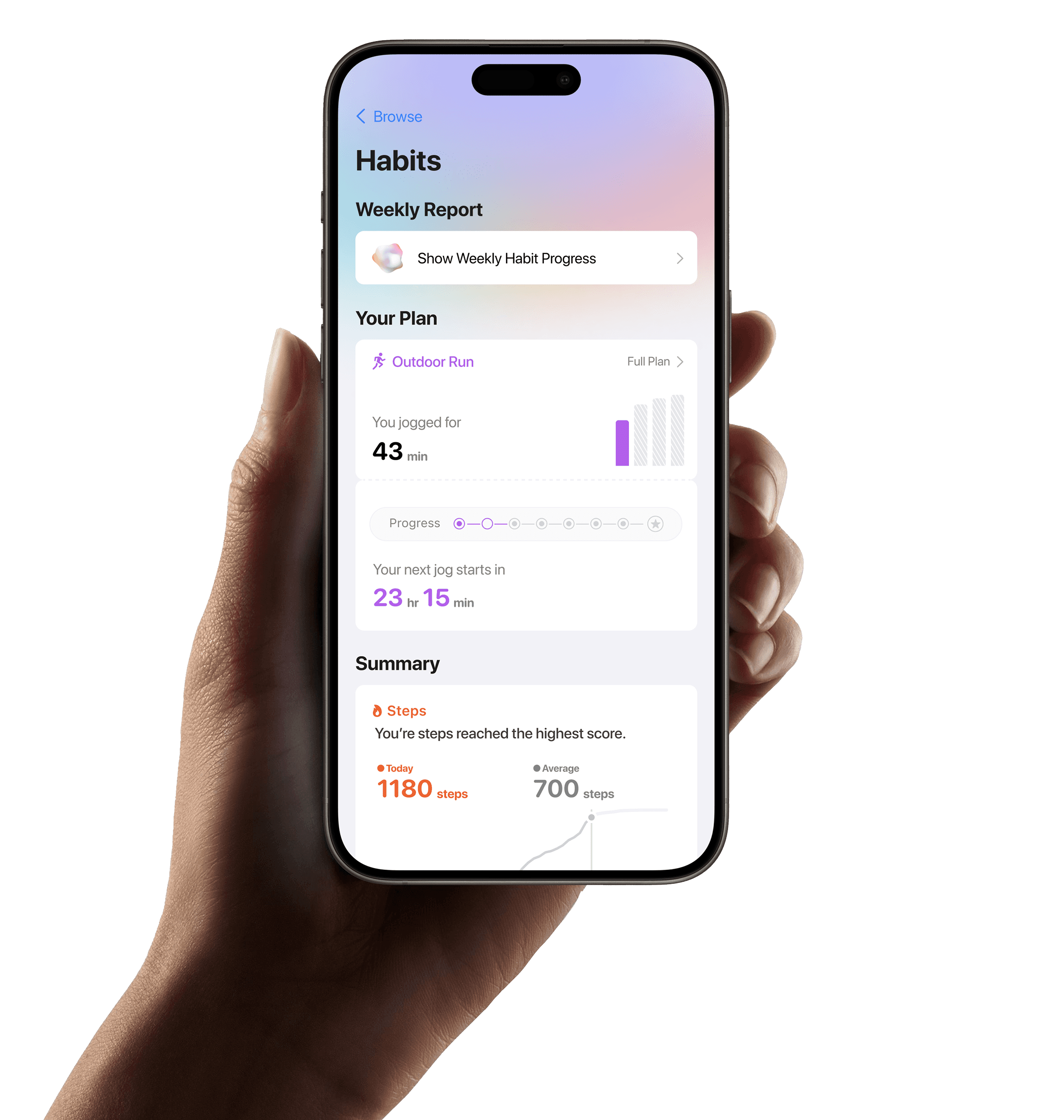
See progress over time and stay motivated.
See progress over time and stay motivated.
Experience habit building like never before.
Experience habit building like never before.
Experience habit building like never before.
Each interaction helps your AI Habit Coach deliver more tailored, effective guidance for your journey.
Each interaction helps your AI Habit Coach deliver more tailored, effective guidance for your journey.
Each interaction helps your AI Habit Coach deliver more tailored, effective guidance for your journey.
Full Prototype
Full Prototype
Full Prototype
Label
Zhu, Y., Long, Y., Wang, H., Lee, K. P., Zhang, L., & Wang, S. J. (2024). Digital Behavior Change Intervention Designs for Habit Formation: Systematic Review. Journal of medical Internet research, 26, e54375. https://doi.org/10.2196/54375
Dickinson, A., & Pérez, O. D. (2018). Actions and Habits: Psychological Issues in Dual-System Theory (pp. 1–25). Academic Press. https://doi.org/10.1016/B978-0-12-812098-9.00001-2
William, A., Hunt., Joseph, D., Matarazzo., Stephen, M., Weiss., W., Doyle, Gentry. (1979). Associative learning, habit, and health behavior. Journal of Behavioral Medicine, 2(2):111-124. doi: 10.1007/BF00846661
Other Research Resources
Keller, J., Kwasnicka, D., Kwasnicka, D., Klaiber, P., Sichert, L., Lally, P., & Fleig, L. (2021). Habit formation following routine-based versus time-based cue planning: A randomized controlled trial. British Journal of Health Psychology, 26(3), 807–824. https://doi.org/10.1111/BJHP.12504
Gan, L., Jarvenpaa, S. L., Gu, B., & Yang, G. (2009). Habit formation in online communities. International Conference on Information Systems, 189. https://aisel.aisnet.org/icis2009/189/
Hekler, E. B., Michie, S., Pavel, M., Rivera, D. E., Collins, L. M., Jimison, H. B., Garnett, C., Parral, S., & Spruijt-Metz, D. (2016). Advancing Models and Theories for Digital Behavior Change Interventions. American journal of preventive medicine, 51(5), 825–832. https://doi.org/10.1016/j.amepre.2016.06.013
Zhu, Y., Long, Y., Wang, H., Lee, K. P., Zhang, L., & Wang, S. J. (2024). Digital Behavior Change Intervention Designs for Habit Formation: Systematic Review. Journal of medical Internet research, 26, e54375. https://doi.org/10.2196/54375
Dickinson, A., & Pérez, O. D. (2018). Actions and Habits: Psychological Issues in Dual-System Theory (pp. 1–25). Academic Press. https://doi.org/10.1016/B978-0-12-812098-9.00001-2
William, A., Hunt., Joseph, D., Matarazzo., Stephen, M., Weiss., W., Doyle, Gentry. (1979). Associative learning, habit, and health behavior. Journal of Behavioral Medicine, 2(2):111-124. doi: 10.1007/BF00846661
Other Research Resources
Keller, J., Kwasnicka, D., Kwasnicka, D., Klaiber, P., Sichert, L., Lally, P., & Fleig, L. (2021). Habit formation following routine-based versus time-based cue planning: A randomized controlled trial. British Journal of Health Psychology, 26(3), 807–824. https://doi.org/10.1111/BJHP.12504
Gan, L., Jarvenpaa, S. L., Gu, B., & Yang, G. (2009). Habit formation in online communities. International Conference on Information Systems, 189. https://aisel.aisnet.org/icis2009/189/
Hekler, E. B., Michie, S., Pavel, M., Rivera, D. E., Collins, L. M., Jimison, H. B., Garnett, C., Parral, S., & Spruijt-Metz, D. (2016). Advancing Models and Theories for Digital Behavior Change Interventions. American journal of preventive medicine, 51(5), 825–832. https://doi.org/10.1016/j.amepre.2016.06.013